

Behavior Rehab Program
A tailored roadmap for addressing your dog’s unique behavioral challenges, based on real psychology, for severely reactive, fearful, aggressive, muzzled, or misunderstood dogs and the people who refuse to give up on them.
We are some of the very few specialized trainers for behavior modification in the Des Moines and surrounding cities.
Who we created the program for:
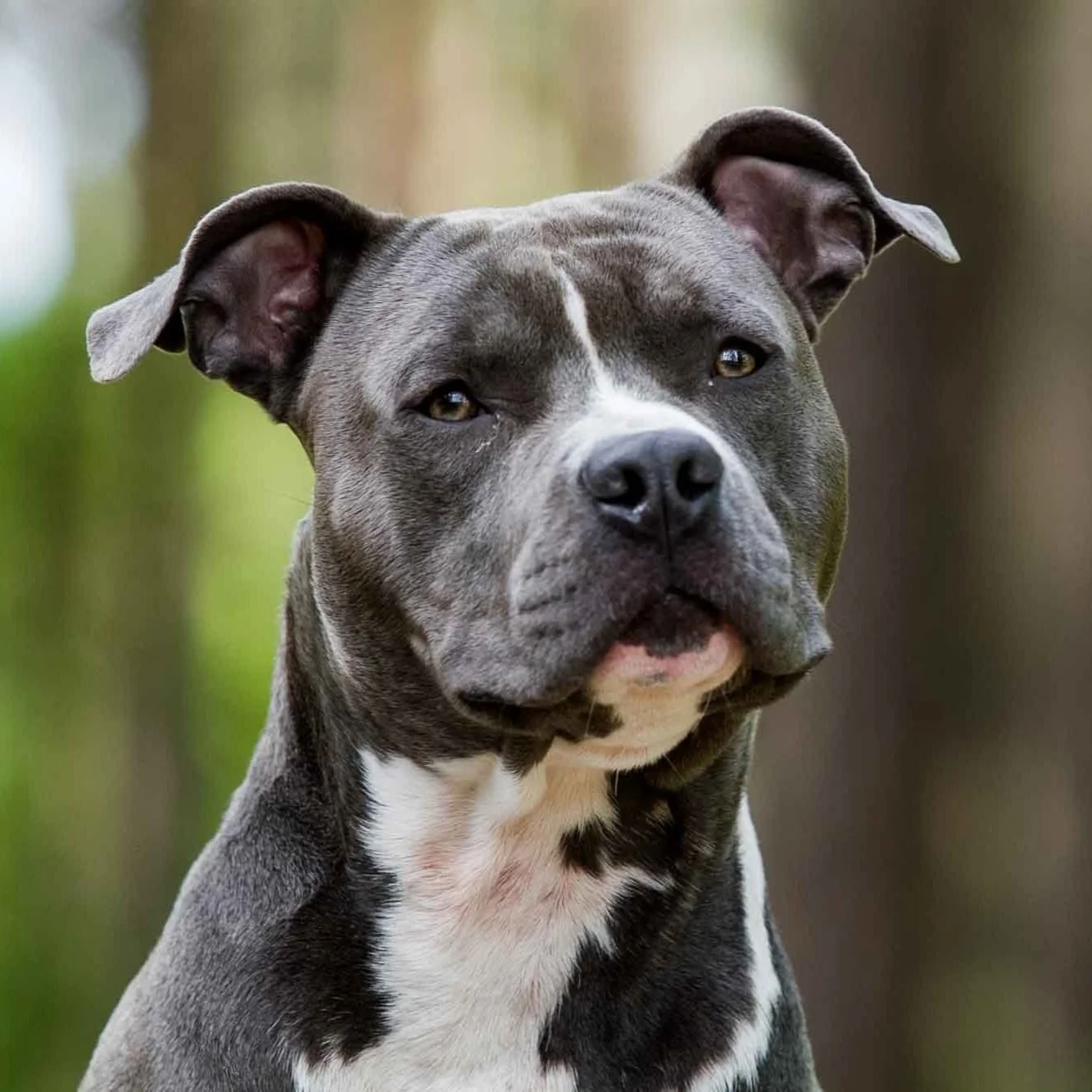


Dogs Who?
Bark, lunge, or growl on leash or behind barriers
React severely toward strangers, dogs, or other specific triggers
Show fear, anxiety, or aggression in everyday situations
Have a bite history or are a bite-risk
Resource guarding
Fear-based behaviors that freeze or explode
Behaviors that disrupt your daily life
Need behavioral help beyond what basic obedience can offer
Owners Who?
Feel overwhelmed, embarrassed, or afraid of their dog’s behavior
Have been turned away, dismissed, or judged by other trainers
Want to understand their dog better instead of just controlling them
Are ready to be consistent and follow through with a plan
Believe their dog deserves a chance to improve
From
“I don’t know what else to do”
to
“We finally Have a plan”
Some dogs aren’t just “stubborn” or “reactive” — they’re struggling.
Fear, trauma, overarousal, genetic predisposition, pain, stress, or lack of early socialization can manifest as behaviors that feel scary, confusing, or totally out of control.
This program focuses on safety, predictability, and emotional regulation.
We work from the inside out — reducing fear, lowering stress, and rebuilding your dog’s ability to think, cope, and choose healthier behaviors.
We are specialized in reactivity and aggression for dog owners in the Des Moines and surrounding cities.
Skills You Will Learn
Dogs:
Sit
Down
Place
Heel
Recall
Implied stay
Handler engagement
Environmental neutrality
Dog social interactions
Threshold manners
Guest manners
Muzzle conditioning (if needed)
Greeting routines
Cooperative care techniques
Emotional regulation/stress management
Owners
Marker system
Food, toy, or affection-based reward system
Fair and ethical correction system
Leash handling skills
Advocacy skills
Real world practice
Management routines
Reading dog body language
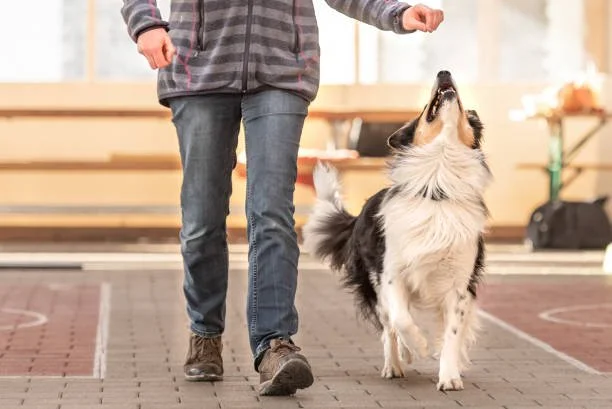
How do we communicate with your dog
Clear COMMUNICATION is the foundation of everything we do, especially with reactivity and aggression. We use an easy marker word system that tells your dog exactly where they stand at every moment. No confusion, no guessing, no mixed signals.
Most training fails because the dog never receives clear information.
They're left guessing what earned the reward, what caused the correction, and what's expected of them next.
Our marker system removes that ambiguity and that foundation is built and solid before we ever introduce a trigger into the picture.
This isn’t a “graduate and good luck” setup. It’s structured, comprehensive, and deeply supportive — because complex behavior needs a different kind of care.
Behavior rehab is an investment in safety, sanity, and your dog’s long-term wellbeing — not a quick fix, but a meaningful change.
Full behavior assessment
Customized rehab plan based on your dog’s learning style, rewards preference, and behavior goals
Custom, hybrid board and train and lesson schedule
Structured socialization, exposure to triggers, and routines that build emotional regulation
Photos, videos, and progress notes to ensure you’re on track for progression and never feeling confused on next steps
Safety education
Progress monitoring and plan adjustments
Email/messaging support between sessions for troubleshooting
Frequently Asked Questions
Real Questions About Behavior Modification
-
Behavior modification is a systematic, science-based process for changing how a dog feels about something, not just what they do in response to a command. It targets the emotional state driving the behavior — anxiety, fear, frustration, arousal — and rebuilds the dog's response pattern from the inside out.
Regular obedience training teaches behaviors. Behavior modification changes the brain's association with a trigger. We describe this as a cognitive-behavioral approach: giving the dog as much information as possible so they can solve problems with less frustration, building a new emotional response rather than suppressing the old one.
The practical difference: if your dog lunges at other dogs on walks, obedience training might teach them to sit when you say "sit." Behavior modification changes the emotional response to other dogs so the lunge impulse isn't there in the first place.
-
It matters enormously — and most people (and many trainers) get this wrong.
Reactivity is an over-the-top, disproportionate response to a trigger — barking, lunging, spinning on leash. It often looks scary but is frequently rooted in frustration or overstimulation, not a desire to harm. Many reactive dogs are simply overwhelmed and have never been taught how to cope.
Aggression is intent to cause harm. It can stem from fear, resource guarding, territorial behavior, predatory drive, or pain. It requires different handling, different training criteria, and honest assessment of risk.
Mistaking one for the other leads to the wrong intervention — and sometimes makes things worse. A thorough evaluation is the first step in any behavior modification program because the plan has to match the actual problem, not a guess at it.
-
Possibly, yes — and we'll be honest with you about what's realistic.
We have worked with dogs with bite histories, dogs deemed "unadoptable," and dogs other trainers have turned away. We've helped dogs come back from the edge. We've also had honest conversations with families when a dog's risk profile is beyond what behavior modification can safely manage at home.
What we will always do is give you a real, thorough evaluation and a clear-eyed assessment of what's achievable. We don't take cases we can't help with, and we don't give empty reassurances to take your money. If we can help, we'll tell you how. If the honest answer is more complicated than that, we'll tell you that too.
-
In most cases, no. "Too aggressive to be helped" is far rarer than people think — and it's a label that gets applied too quickly to dogs who haven't had the right intervention.
That said, not every dog can safely become a family pet who goes to dog parks and greets strangers. Realistic goals look different for every dog. Some dogs need management strategies alongside training. Some need controlled environments. Some make dramatic recoveries. The key is an honest evaluation and a plan that matches your dog's actual profile — not a one-size-fits-all program.
We've worked with dogs written off by shelters, sent away by other trainers, and scheduled for euthanasia. We don't promise miracles. But we do believe that every dog deserves someone willing to look hard at what they're capable of — and fight for that.
-
The roots vary, but the most common contributors are:
Lack of early socialization during the critical developmental window (typically 3–14 weeks)
Fear and anxiety that was never addressed and escalated over time
Frustration — dogs who desperately want to interact but have never learned impulse control
Past negative experiences — trauma, pain, abuse, or repeated exposure to overwhelming situations without support
Genetics — some dogs are predisposed to higher arousal, lower stress thresholds, or specific drive patterns that require skilled handling
Understanding why a dog is reactive or aggressive is the starting point for every behavior modification program. Without that, you're guessing. And guessing with a dog that has a bite history is not a plan.
-
Our behavior modification program is a minimum of six weeks and is designed as a team effort between you and us. Here's the structure:
Evaluation first. We do a thorough assessment of your dog's triggers, threshold levels, emotional state, and history before we build any plan.
Obedience foundation. We build solid obedience outside of triggers first — sit, down, place, heel, recall, and handler engagement. Your dog needs a reliable communication system before we can start working in the presence of what sets them off. This is a core principle from Michael Ellis's methodology: engagement and foundation come before exposure.
Systematic desensitization. We slowly, carefully introduce triggers at a distance and intensity your dog can handle, pairing them with positive associations and clear structure. The goal is to change the emotional response, not just suppress the behavior.
Owner homework. You will have assignments between sessions. What happens in your daily life — on walks, at home, during feeding — either supports or undermines the training. We build that consistency into the program from day one.
Go-home support. Results don't end when the program does. We include lifetime private lesson access at our facility so you always have backup when life throws something new at you.
-
Our standard behavior modification program is six weeks. But lasting behavioral change — especially for fear- and anxiety-based issues — continues long after the formal program ends. You're not just teaching a behavior; you're rewiring an emotional response. That takes consistency over time.
What we've seen is that dogs who have committed, consistent owners make the most dramatic improvements. Dogs whose owners do the homework, reinforce what was learned, and continue building on the foundation — those are the transformations that stick.
We set honest expectations at intake and we don't promise timelines we can't deliver on. What we can promise is a clear plan, real accountability, and support throughout the process.
-
You have to be involved. Full stop.
We can get remarkable results working directly with your dog. But a dog who responds beautifully to us and then goes home to an environment where nothing has changed — where the triggers are still unmanaged, the rules are inconsistent, and the owner doesn't know how to reinforce what was taught — will regress. We've seen it happen, and it's a disservice to the dog and the family.
Behavior modification is a team sport. We teach your dog. We also teach you. That's not optional, and it's not a criticism — it's just how lasting behavioral change works.
-
Tools are secondary to understanding. We evaluate each dog individually and choose tools based on what will communicate most clearly and humanely for that specific dog.
When tools like e-collars or prong collars are used in our programs, they are used as communication tools — not punishment devices. Modern e-collar training, operate at low-level stimulation designed to guide behavior, not cause pain or fear. A prong collar, used correctly, applies even, momentary pressure that releases the instant the dog responds — far less physically stressful than a flat collar on a dog who pulls hard.
We don't use any tool that we can't demonstrate is being used humanely and effectively. We explain every tool we use, why we're using it, and how to use it correctly at home. You will never be handed something without understanding it.
-
Because we start with why, not what.
A lot of training fails because it addresses the symptom rather than the cause. A dog who lunges at other dogs gets corrected every time they lunge — but no one ever looked at why the lunge is happening, what the dog is feeling in that moment, or what they need instead. The behavior gets suppressed, the emotional state doesn't change, and eventually the lid comes off again.
Our approach in cognitive-behavioral framework and principle-based training starts with understanding. What is this dog experiencing? What drives the behavior? What's the dog missing in terms of information, clarity, and coping skills? We build a plan around real answers to those questions, not a cookie-cutter program applied regardless of the dog in front of us.
If you've been told your dog is hopeless, we'd like to meet them ourselves before we agree.
Your Questions, Answered
-
They have a structured schedule of training, playing, napping, and eating, throughout the day, just like they would at home. It’s a healthy balance of obedience work, socialization, and real-world experiences with downtime in between.
-
Yes! You’ll get photos, videos, notes, and check-ins so you’re never in the dark. We want you to see the work in action and feel confident about what's happening.
-
We know it’s tempting, but dogs often get so excited to see you that it makes it harder for them to settle back into training. But trust us; the month goes faster than you think, and the updates help.
-
You’ll have an in-depth handoff session to teach you what your dog learned, and we’ll follow up with three 1:1 sessions to make sure everything’s working the way it’s supposed to at home.
-
Most dogs adjust faster than their owners expect. We ease them in, create routine and structure, and make sure they feel safe and comfortable. You'll see that in the updates we send. And honestly, some dogs thrive with a break from their usual environment because it helps them focus and learn without the distractions of home. All that said, if we have any cause for alarm or if a health or safety concern comes up, we’ll make sure to let you know immediately so you can decide how to handle it. Your dog’s wellbeing is our top priority
-
This program isn’t designed for dogs with severe aggression, but don’t worry, we’ve got a custom program for that. We’ll evaluate your dog first and let you know the best fit.
Serving Indianola, Des Moines, West Des Moines, Indianola, Norwalk, Carlisle, Ankeny, Urbandale, Clive, Altoona, Johnston, Bondurant and the greater Polk and Warren County area.